




How to Read Stock Market News: Key Takeaways for Smart Investing
If you’ve decided to dive into the world of stock market investing, there’s one more aspect you shouldn’t forget – the financial news aspect. But how to read stock market news...


If you’ve decided to dive into the world of stock market investing, there’s one more aspect you shouldn’t forget – the financial news aspect. But how to read stock market news effectively? How do you make sense of all that news flying around? Since the stock market can be noisy, we’re going to cut through the clutter and learn what really matters in this article.
Table Of Content
- Understanding Stock Market News: What to Look For
- The Importance of Headlines: Deciphering the Message
- Types of Stock Market News: Earnings Reports, Analyst Ratings, and More
- How Do Economic Indicators Impact Market News?
- Analyzing Market Trends: Identifying Patterns in News
- Common Misinterpretations of Stock Market News
- Tools and Resources for Staying Informed
- Building a Strategy: Integrating News into Your Investment Approach
- Conclusion
Understanding Stock Market News: What to Look For
Company Earnings
Financial statements that reveal a company’s profitability and overall financial health influence investor sentiment and stock prices. It is like a company’s report card. If the earnings are better than expected, the stock price might increase. If they’re worse, it might go down.
Economic Indicators
Economic indicators are barometers that measure an economy’s overall health and direction. They provide valuable insights into various aspects of economic activity, such as growth, employment, inflation, and consumer sentiment. Things like GDP growth, unemployment rates, and inflation can affect the overall market.
Industry News
Understand what’s happening in your stocks’ specific industry. Developments and trends within a specific industry can affect companies’ performance and corresponding stocks.
Company Announcements
Keep an eye out for news about mergers, acquisitions, new products, or legal issues. These can significantly affect a stock’s price.
Market Sentiment
Look around and see how other investors are feeling about the market. Are they optimistic or pessimistic? The prevailing mood or attitude among investors can influence stock prices based on optimism or pessimism about future market conditions.
Also Read: How to Start Investing with Little Money: Smart Strategies for Beginners
The Importance of Headlines: Deciphering the Message

Headlines in the stock market are like the first glimpse of a movie. They give you a quick snapshot of what’s happening. While they can’t tell the whole story, they’re crucial for understanding the market’s mood. A positive headline might signal a bullish trend, while a negative one could hint at a bearish market. However, it’s important to remember that headlines are just a starting point. Always dig deeper and analyze the underlying factors to make informed investment decisions.
Types of Stock Market News: Earnings Reports, Analyst Ratings, and More
Earnings Reports
These are quarterly or annual reports that companies release to disclose their financial performance. Earnings reports reveal a company’s revenue, profits, and other key metrics. Positive earnings can boost a stock’s price, while negative earnings can plummet
Analyst Ratings
These are opinions from financial analysts about a company’s stock. They can range from “Buy” to “Sell,” with “Hold” being neutral. Analyst ratings can influence investor sentiment and, in turn, stock prices. A positive rating can drive up demand for a stock, while a negative rating can lead to selling pressure.
Economic Indicators
These are statistics that measure the overall health of an economy, such as GDP, unemployment rates, and inflation. Economic indicators can impact the overall market. For instance, a strong economy can lead to higher stock prices, while a weak economy can cause a market downturn.
Company Announcements
These are news releases from companies about important events, such as mergers, acquisitions, new product launches, or legal developments. Company announcements can significantly affect a stock’s price. Positive news can boost the stock, while negative news can send it down.
How Do Economic Indicators Impact Market News?
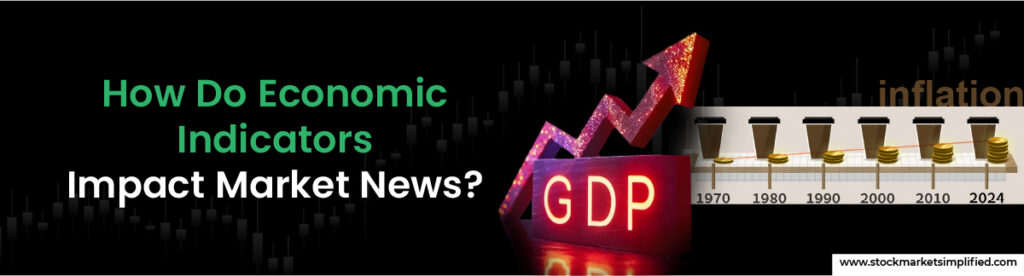
Think of economic indicators as a way to check the pulse of a country’s economy. They give us clues about how well things are going. For example:
- GDP (Gross Domestic Product): This is like the country’s overall scorecard. A good GDP means the economy is growing. A strong GDP generally boosts investor confidence and stock prices.
- Unemployment Rate: This tells us how many people are out of work. A low rate means the economy is doing well and can positively impact market sentiment and stock prices.
- Inflation: Inflation is when prices go up over time. Too much inflation can harm the economy and negatively affect market sentiment and stock prices.
- Consumer Confidence Index: The CCI measures consumer optimism about the economy. High confidence can boost stock prices, as consumers are more likely to spend.
- Purchasing Managers’ Index (PMI): PMI measures the sentiment of manufacturing businesses. A high PMI indicates a strong manufacturing sector, which can positively impact stock prices and vice versa.
Analyzing Market Trends: Identifying Patterns in News

- Look for Themes: What topics keep popping up? These are the trends.
- Check the Mood: Are news articles mostly positive or negative? This tells you how investors are feeling.
- Trustworthy Sources: Not all news is created equal. Stick to reliable sources.
- Connect the Dots: See if there’s a link between news and how the market moves.
- Use Charts: Combine news analysis with technical charts for a clearer picture.
Common Misinterpretations of Stock Market News

Overreacting to Headlines
Headlines can be sensationalized, leading to emotional reactions. Always analyze the underlying factors before making investment decisions.
Confusing Correlation with Causation
Just because two events occur simultaneously doesn’t mean one caused the other. Look for strong evidence to support a causal relationship.
Ignoring Context
News articles often provide context for events. Don’t overlook this information when making investment decisions.
Relying Solely on News
While the news is valuable, don’t rely solely on it. Consider factors like company fundamentals, economic indicators, and technical analysis.
Falling Victim to Confirmation Bias
Avoid seeking out news that confirms your existing beliefs. Consider all perspectives to make informed decisions.
Tools and Resources for Staying Informed

- Follow the News: Find financial news websites, apps, or even your favorite news channel. They’ll keep you in the loop about what’s happening in the market.
- Invest in a Good App: There are tons of apps that give you real-time stock prices, market analysis, and even investment advice.
- Listen to the Experts: Financial experts and analysts can provide valuable insights. Check out their podcasts and articles, or even attend their seminars.
- Join Online Communities: Connect with other investors on forums or social media groups. You can learn from their experiences and get different perspectives.
- Subscribe to Newsletters: Many financial institutions offer free newsletters with market updates and investment tips.
- Consider a Financial Advisor: If you’re unsure about where to start or want personalized advice, a financial advisor can be a great resource.
Also Read: Top 5 Stock Market Strategies for Long-Term Growth
Building a Strategy: Integrating News into Your Investment Approach

News is like a map that helps you navigate the stock market. It can guide you towards opportunities and warn you about potential pitfalls. But remember, it’s just one piece of the puzzle. Here’s how to use news in your investing strategy:
- Set Your Goals: First, figure out what you want to achieve. Are you looking for quick profits or long-term growth?
- Do Your Research: Learn about the companies you’re interested in. Understand their business, products, and financials.
- Stay Informed: Stay up to date with news related to the companies you’re following and the overall market.
- Analyze the News: Don’t just read headlines. Look for patterns, trends, and how news affects the stock price.
- Combine with Other Factors: News is important but not the only factor to consider. Consider financial statements, market trends, and economic indicators.
- Create a Plan: Based on your research and analysis, develop a plan for when to buy, sell, or hold your investments.
Conclusion
Imagine you’re driving without a map. You might get lost, right? The same goes for investing. Financial news is like your map. It helps you see what’s happening in the market, understand why things are moving, and make smarter investment decisions. So, whether you’re a seasoned investor or starting, keeping up with financial news is like wearing a seatbelt – it’s always a good idea!