



AI-Generated Stock Tips: Risks Investors Should Know
AI can make stock market research faster. You can ask a chatbot to explain a term, summarize a report, or suggest questions to ask before you invest. That is useful. But AI-generated stock tips are...

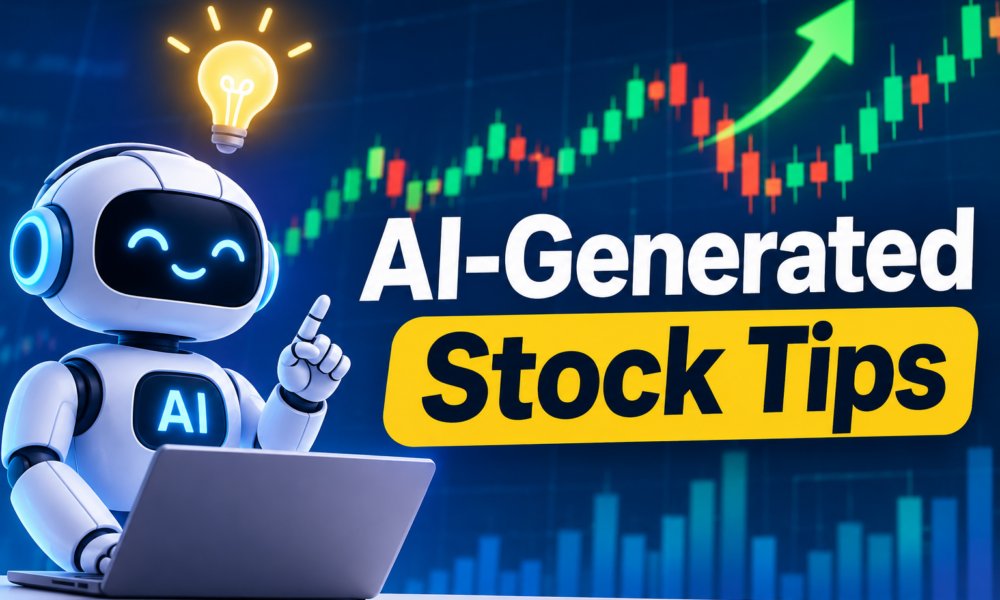
AI can make stock market research faster. You can ask a chatbot to explain a term, summarize a report, or suggest questions to ask before you invest. That is useful. But AI-generated stock tips are not the same as verified research or advice from a registered professional.
Table Of Content
The SEC, NASAA, and FINRA have warned investors not to rely only on AI-generated information, because it can be inaccurate or misleading. European regulators have raised the same concern.
What Are AI-Generated Stock Tips?
AI-generated stock tips are stock ideas, predictions, or signals created or promoted by AI tools. They can come from chatbots, social media posts, trading apps, robo-advisors, stock-picking platforms, and AI trading signals services.
| Type of AI tool | What it may do | Main concern |
|---|---|---|
| Chatbot | Explains market terms or summarizes information | May give inaccurate or incomplete answers |
| AI stock picker | Suggests stocks based on data or signals | May not suit the reader’s goals or risk tolerance |
| AI trading bot | Automates trades using preset rules | Can execute trades without human judgment |
| Social-media AI tip | Shares stock ideas or predictions | May be used for scams or market manipulation |
AI stock analysis and financial advice are different things. AI can help you research a company, but it does not know your income, goals, time horizon, tax situation, or risk tolerance. Those details shape what is right for you.
Can AI Predict Stock Prices?
Not reliably. AI can find patterns in historical market data, but the future does not always follow the past. The CFTC has made the point that AI cannot predict the future or sudden market changes.
So any AI stock prediction is a guess based on past data, not a promise. The CFTC also warns that AI will not turn trading bots into money machines. Be careful with AI trading bots that claim guaranteed profits, “100% accuracy,” or risk-free returns. Every investment carries risk, and the SEC says there are no guaranteed high returns.
Key Risks of AI-Generated Stock Tips
Here are the main risks of AI-generated stock tips. They can sound confident and well written even when the information behind them is wrong. Treat them as one research input, never as a final decision.
- Inaccurate or fabricated information: AI can produce output that is wrong or misleading, and regulators have said so directly.
- Outdated or incomplete market data: A tool may miss recent news, new filings, or a sudden change in a company.
- Lack of personal financial context: A tip that fits one person can be a poor fit for another.
- Overconfidence and impulsive investing: A polished answer can make you act faster than you should.
- Concentration in popular stocks or sectors: Many tools may point toward the same well-known names, which can leave your portfolio lopsided.
- Social-media manipulation: Pump-and-dump schemes use hype to push a price up so promoters can sell. Social media stock tips are a common way to spread that hype.
- AI investment scams and fake trading services: Fraudsters use AI buzz to make fake opportunities look modern and credible.
Another way to put it: AI stock tips risks come from two places, the tool’s own errors and the people who exploit the hype.
Red Flags of AI Investment Scams
The SEC, NASAA, and FINRA say fraudsters use AI hype to promote fake opportunities, trading bots, and stock-tip groups. The SEC has also warned about group chats that use AI-generated trading signals and fake experts to pull people into investment fraud. Here is an AI investment scam red flags checklist:
- Promises of guaranteed returns or quick profits
- Claims that an AI trading bot has a 100% win rate
- Pressure to invest immediately
- Unverified social-media influencers or unknown groups
- Stock tips based only on screenshots or private chat messages
- Unregistered advisers or platforms you cannot verify
- Requests for cryptocurrency payments or urgent transfers
- Claims that AI can predict stock prices with certainty
If you see even one of these, slow down. A typical AI trading bot scam combines several of them, such as big promises, a tight deadline, and a request to pay in crypto. The SEC has also advised caution toward unregistered AI trading platforms.
How to Use AI Safely for Stock Research
There is a safe way to use AI for investing. Think of it as a helper for homework, not a source of final answers. If you are looking for AI stock tips for beginners, this is the best starting point.
- Use AI to explain concepts, summarize public information, or prepare research questions.
- Verify claims using company filings, earnings reports, official investor-relations pages, and regulator databases.
- Cross-check information from several reliable sources and understand the stock market risks before making an investment decision.
- Check whether a financial professional or platform is properly registered.
- Understand fees, trading costs, spreads, and subscription charges.
- Keep diversification in your portfolio instead of following one AI stock recommendation.
- Talk to a registered financial professional before major investment decisions.
This is how to use AI for stock research without leaning on it too much. AI stock research can support your decisions, but it should not replace your own judgment.
The same care applies to AI investing tools and automated investment tools. The SEC has pointed out that these tools have limits and risks, so read how they work before you hand over money or access. That includes any AI stock trading feature that places trades for you.
AI Stock Tips vs Financial Advice
| Feature | AI-generated stock tips | Registered financial advice |
|---|---|---|
| Personalization | Usually general | Based on individual goals and circumstances |
| Accountability | Limited or none | Professional responsibility and regulation |
| Data accuracy | Must be verified | Should be based on verified information |
| Best use | Research support | Major financial decisions |
| Risk | May be inaccurate or misleading | Still involves investment risk |
AI stock tips are not the same as financial advice from a qualified professional. A registered professional works under rules meant for investor protection. Even then, investing involves risk, so good advice is not a guarantee.
FAQs
Are AI stock tips reliable?
Not on their own. Regulators warn that AI can give inaccurate or misleading information. AI stock tips can be a starting point for research, but you should check the details against company filings, earnings reports, and other trusted sources before making any investment decisions.
Can AI predict stock prices?
No tool can do this reliably. AI can spot patterns in past market data, but it cannot know the future or foresee sudden market changes. Be wary of anyone claiming certain results or guaranteed returns, because that is a classic warning sign of fraud.
Are AI trading bots safe?
Use caution. A bot follows preset rules and may trade without human judgment, which can lead to losses. The CFTC warns against exaggerated claims about AI trading bots. Check that any platform is registered, read the fees carefully, and never trust profit guarantees.
What are AI investment scam red flags?
Common ones include guaranteed returns, a claimed 100% win rate, pressure to act fast, unknown groups or influencers, and tips based on screenshots. Requests for crypto payments or urgent transfers are also warning signs. If something feels rushed or too good to be true, stop and verify.
Conclusion
AI can make stock market research easier, but it works best as a helper, not a decision-maker. AI-generated stock tips can be wrong, outdated, or built to mislead, so a healthy amount of caution is smart. Verify what you read using official sources. Diversify instead of betting on one idea. Walk away from anyone who promises guaranteed returns or says AI can predict prices with certainty. And when a decision is large or your situation is complicated, seek advice from a registered professional who can look at your whole picture.