




What is Positional Trading?
So you have been hearing this term “positional trading” floating around your trading WhatsApp groups, and you are wondering what is positional trading, really? Let’s break it down...


So you have been hearing this term “positional trading” floating around your trading WhatsApp groups, and you are wondering what is positional trading, really? Let’s break it down over a cup of chai, no jargon, no confusion, just plain talk.
Table Of Content
If you’re still learning the basics of market participation, you can also read our guide on What Is Swing Trading? to understand how different trading styles work.
Positional Trading Meaning
Here’s the positional trading meaning in the simplest way possible: you buy a stock, hold it for weeks or even months, and sell once your target is hit. You are not glued to your screen watching every tick.
Think of it like this. Say you notice a company is expanding aggressively, launching new products, and its stock has been quietly climbing for a few weeks. You buy it, tuck it away, and check back every few days instead of every few minutes.
That’s positional trading in a nutshell, riding a bigger trend instead of chasing small moves.
How Positional Trading Works
The process is refreshingly straightforward: research, entry, hold, exit. You start by picking a stock you believe in, based on both its business fundamentals and its price chart.
That’s the beauty of this positional trading strategy: you use fundamental analysis (is the company actually doing well?) alongside technical analysis (is the chart showing strength?). Once you’re convinced, you enter, set a rough target and stop-loss, and then… you wait.
Compared to day trading, where you’re stressed out watching every candle, this is way calmer. You are not making split-second decisions all day.
Positional Trading vs Swing Trading vs Day Trading
People often mix these up, so here’s a quick comparison:
- Day Trading – Positions closed the same day; you’re watching screens constantly; high stress, quick decisions.
- Swing Trading – Holding period of a few days to a couple of weeks; moderate monitoring; catches short-term price swings.
- Positional Trading – Holding period stretches from weeks to several months; occasional check-ins; aims to capture the bigger trend.
When people ask about positional trading vs swing trading, the main difference really comes down to patience. Swing traders want quicker profits, while positional traders are okay waiting for the bigger picture to play out.
Best Indicators & Strategies for Positional Trading
You don’t need fifty indicators cluttering your chart. A few reliable ones do the job well. Here are some of the best indicators for positional trading:
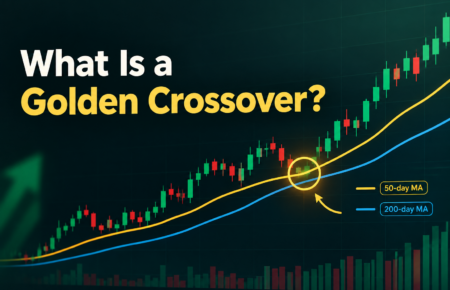
- 50 & 200 Day Moving Averages (DMA) – When the 50 DMA crosses above the 200 DMA, it’s often called a “golden cross,” and many traders treat it as a bullish signal.
- MACD – Helps you spot when momentum is shifting, useful for timing your entry.
- RSI – Tells you if a stock is overbought or oversold, so you don’t buy right at the top.
Nothing fancy here, just tools that help confirm what the trend is already telling you.
Advantages & Things to Watch Out For
Let’s talk about why so many people, especially those learning how to do positional trading in India, gravitate toward this style.
Advantages of positional trading:
- Way less screen time, perfect if you have a day job.
- You can capture bigger price moves compared to intraday trades.
- Lower transaction costs since you’re not trading daily.
- Less emotional stress from constant price checking.
But keep these in mind too:
- Overnight and weekend risk: news can move stocks while markets are shut.
- Patience is non-negotiable; trends take time to play out.
- Trading and investing involve market risk, so investors should understand their risk tolerance and investment objectives before taking positions. SEBI’s investor resources also emphasize understanding risks before investing.
- Your capital stays locked in one stock for longer, so diversification matters.
Conclusion
If you are someone with a full-time job, limited time to track markets, and a bit of patience, positional trading for beginners could genuinely be a great starting point. It suits long-term thinkers who’d rather ride a solid trend than chase every small wiggle in price.
It won’t make you rich overnight, and honestly, nothing good in the market ever does. But if you enjoy doing a bit of research, picking solid businesses, and letting your investment breathe, this style might just fit you like a glove.
Avoid making trading decisions based on unsolicited tips or guaranteed-return claims. SEBI specifically advises investors not to rely on hot tips when making investment decisions.