





How to Create Diversified Investment Portfolio?
Overview When it comes to investing, one of the best strategies for managing risk is diversifying your portfolio. Basically, it The key to intelligent investing and “Ramban” to manage risks, most...

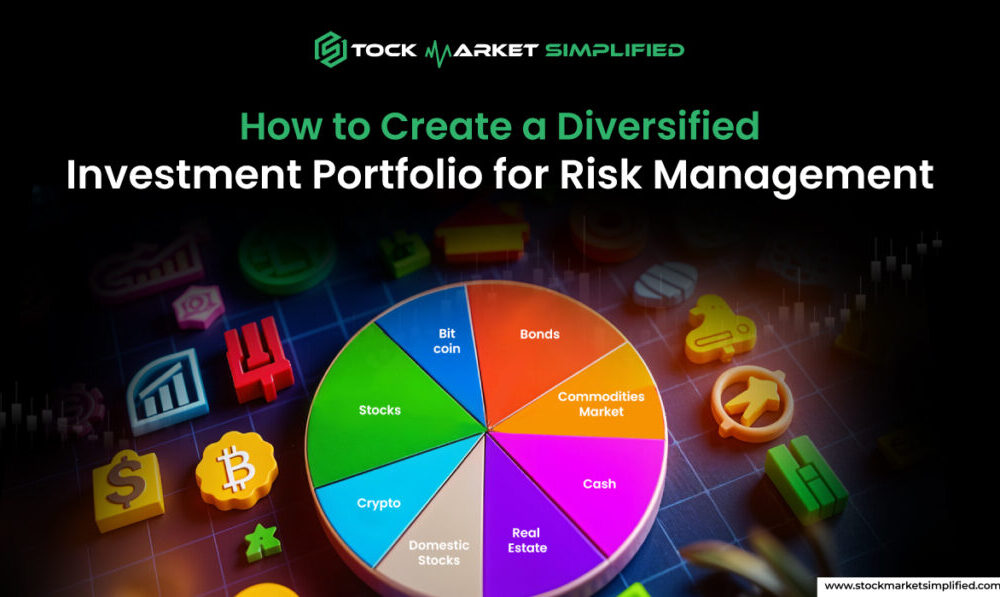
Overview
When it comes to investing, one of the best strategies for managing risk is diversifying your portfolio. Basically, it The key to intelligent investing and “Ramban” to manage risks, most effective in long-haul.
Table Of Content
- Overview
- What is a Diversification Strategy?
- Why Is Portfolio Diversification Important?
- Types of Portfolio Diversification
- How to Create a Diversified Investment Portfolio
- Risks of Over-Diversification and Portfolio Management
- Considerations for Building Your Portfolio – Managing Your Portfolio Wisely
- In Essence
- FAQs
But what does that really mean?
Simply put, diversification is about spreading your investments across different types of assets, industries, and even geographical regions. This way, you’re not putting all your eggs in one basket, as commonly advice in the investment world.
In this guide, we’ll explore how to create a diversified investment portfolio that suits your risk tolerance and financial objectives. Whether you’re a beginner or looking to refine your strategy, encrypting these basics of diversification can be your key to successful investing.
Let’s start with.
What is a Diversification Strategy?

A diversification strategy is all about spreading your investments across different types of assets to lower your risk. Imagine you’re at a party with a big bowl of snacks. By spreading your investments across different types of assets, you reduce the risk of any one of them hurting your overall portfolio too much. This helps keep your investments more stable over time.
For instance, if you only grab chips and they run out, you’ll be left hungry. But if you take a mix of chips, cookies, and fruit, you’ll have plenty to enjoy even if one snack disappears. That’s how portfolio diversification works in investing.
Also Read: How to Start Investing with Little Money: Smart Strategies for Beginners
Why Is Portfolio Diversification Important?

No matter how much you believe in a particular investment, many things can affect its performance. For example, if you invest all your money in an IT company and the economy suddenly takes a downturn, that company’s stock might drop significantly. On the other hand, if you also have some bonds or real estate in your portfolio, they might hold their value better during tough times.
A big part of smart investing is knowing how to handle risk while keeping your future goals in mind. If you’re young and play it too safe with your retirement savings, two things could happen:
Your money might not grow fast enough to beat inflation,
You may not end up with enough to comfortably retire.
On the flip side, if you take too many risks with your investments when you’re older, you might lose a big chunk of your savings, and recovering those losses can be hard when you’re close to retirement.
To strike the right balance between risk and reward, diversifying your investments is key. This just means spreading your money across different types of assets, so if one goes down, others might help offset the loss. While diversification can help reduce the ups and downs of your portfolio, working as a shield for risk management, it’s important to remember that it doesn’t guarantee profits or completely protect you from losses.
Types of Portfolio Diversification

When it comes to building a strong investment portfolio, there are a few fun ways to mix things up and spread your risk. Here are some key strategies:
Mixing Asset Classes
Think of this as a well-rounded spice casserole in the kitchen. You don’t want to rely on just one spice! By spreading your money across different types of investments like stocks, bonds, real estate, or even gold, you’re ensuring that if one doesn’t perform well, others can pick up the slack. Each type has its own risk and reward, so balancing them can help you ride out the ups and downs more smoothly.
Spreading Across Sectors
Instead of putting all your money in one area of the economy, like tech or healthcare, sector diversification means investing in different parts of the market. You can add some energy stocks, a bit of consumer goods, or maybe banking. This way, if one sector takes a hit (like tech during a slowdown), others might still be doing well, keeping your portfolio in better shape.
Going Global
Why limit yourself to just one country? With geographical diversification, you can invest in markets around the world. This helps protect you from issues in one region, like a recession, and lets you take advantage of growth in another. By having investments in different countries, you’re spreading the risk across borders.
Currency Variety
This strategy is about holding investments in different currencies. By mixing it up with currencies like the Canadian dollar, Euro, or Yen, you can reduce the risk of currency swings. It’s like having a backup plan in case one currency weakens—you’ve still got others to lean on.
Diversification is all about spreading your bets so you don’t lose big in one place.
How to Create a Diversified Investment Portfolio

Creating a diversified investment portfolio is like making a delicious smoothie. You wouldn’t just throw in one fruit and call it a day; you’d mix different fruits to get the best flavor and nutrition. Similarly, by spreading your investments across various assets, you can reduce risk and improve your chances of better returns.
Here let’s take a look at some strategies and tips that can help you in how to create a diversified investment portfolio:
Asset Allocation
By owning a mix of different investments—like stocks, bonds, and real estate—you can help your portfolio stay strong even when one part isn’t doing well. Here’s how different types of investments can work together:
- Stocks:
These are shares in companies. They can grow quickly but can also be risky because their prices can change a lot. For instance, if you invest in a tech company like Infosys, it might do great during good economic times but could drop during a recession.
- Bonds:
When you buy bonds, you’re essentially lending money to companies or governments in exchange for interest over time. Bonds are usually safer than stocks and can provide steady income. So, if your stocks are struggling, your bonds might still be doing fine.
- Real Estate:
Investing in property or real estate funds (like REITs) can add another layer of stability. Real estate often behaves differently than stocks and can provide rental income.
Add Gold for Stability
Gold acts as a hedge against inflation, protecting your portfolio when other assets may decline in value. You can invest in gold through physical means (like coins) or via Sovereign Gold Bonds and Gold ETFs, which are more liquid and easier to manage.
Here’s how you can create a diversified investment portfolio in the Indian market using simple, easy-to-follow steps:
Check Stock Risks Before Investing
Before buying stocks, check how well the company is doing. For example, Tata Motors is a strong brand, but you should see if it has steady sales and a good reputation before investing.
Keep Some Cash Safe with Secure Investments
Want to keep cash handy? Options like Fixed Deposits (FDs) or Liquid Mutual Funds are good for short-term needs with some interest returns, making them safer than stocks.
Invest in Bonds for Steady Income
If you prefer safe, steady returns, consider government bonds or even PPF (Public Provident Fund). These give reliable payouts over time without the high risk of stocks.
Learn What Impacts the Market
Keep an eye on things like inflation, RBI policies, and elections. For example, a rise in interest rates can slow down the stock market but might be good for bondholders.
Diversify Globally Beyond Local Markets
You can invest in international mutual funds that spread your money across global markets like the US or Europe, so if the Indian market drops, your global investments can help balance things out.
Check Your Portfolio Regularly
Over time, your investments might shift. For example, if your stocks perform well but bonds lag, you might want to adjust things to maintain balance.
Hold On to Good Investments
Don’t sell your investments too quickly when the market dips. For example, even if Reliance shares drop temporarily, holding them for years can lead to big rewards as they recover.
Rebalance Your Portfolio
Over time, certain assets may grow faster, shifting your portfolio. Review and adjust your investments regularly to maintain the right balance based on your financial goals.
Focus on Disciplined Investment Scheme Such as Systematic Investment Plan (SIP)
SIPs are perfect for building wealth gradually. They allow you to invest small amounts regularly in mutual funds, helping you stay disciplined without needing a large lump sum upfront.
Life Insurance – Investment & Protection
Life insurance isn’t just for protection but also offers financial benefits. ULIPs (Unit Linked Insurance Plans) give you both insurance cover and investment in stocks or bonds, offering a mix of security and potential growth.
These strategies help balance risks and rewards, especially for beginners looking to grow their wealth steadily.
Risks of Over-Diversification and Portfolio Management
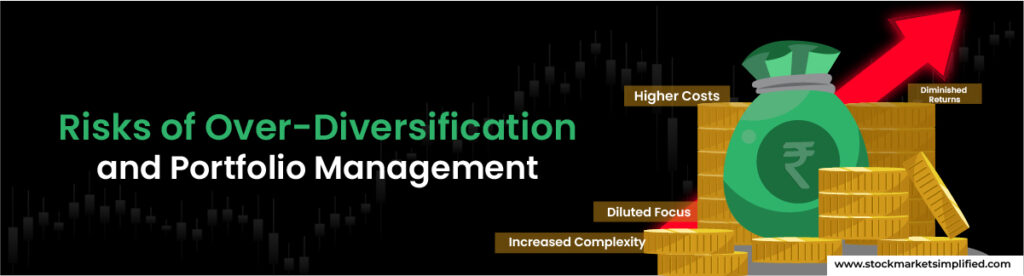
While portfolio diversification is a great way to spread risk, there’s such a thing as too much diversification.
Over-diversifying your portfolio can bring its own set of risks and challenges. Here’s how:
1. Diminished Returns
When you spread your investments too thin across a lot of different assets, it can water down your returns. If you own a bit of everything, even if one or two investments do really well, their success might get lost in the mix of other average or underperforming assets. You may not see the big gains you hoped for.
2. Increased Complexity
The more assets you have in your portfolio, the harder it becomes to manage. It can be tricky to keep track of performance, adjust as needed, and stay on top of everything. Managing a highly diversified portfolio requires more time and energy, and the complexity can lead to mistakes or missed opportunities.
3. Higher Costs
Every new investment comes with its own fees and expenses, from transaction fees to management costs. If you’re investing in a large number of different assets, these costs can add up quickly, eating into your returns. Over-diversifying can sometimes lead to paying more in fees without gaining enough in returns to make it worth it.
4. Diluted Focus
By spreading your investments too widely, you may lose sight of your overall goals. With so many assets in your portfolio, it’s harder to keep track of which ones are truly aligned with your financial objectives. You may end up holding assets that don’t fit your strategy, which can derail your long-term plans.
Considerations for Building Your Portfolio – Managing Your Portfolio Wisely

The key to successful portfolio management is finding the right balance. You want enough diversification to cut the risk, but not so much that it becomes a mess to handle. Regularly review your investments, rebalance as needed, and stay focused on your goals.
Here are a few considerations that can help you:
- Investment Goals: What are you investing for—retirement, buying a home, or building wealth? Your goals help shape your strategy.
- Risk Tolerance: How much risk are you comfortable taking? Higher risk can bring bigger rewards but also bigger losses, so it’s important to know your limits.
- Time Horizon: How long do you plan to invest before needing access to the money? Longer time horizons allow for more aggressive strategies, while shorter ones require a more conservative approach.
- Fees and Costs: Be mindful of transaction fees, fund management costs, and other expenses that can eat into your returns.
In Essence
In conclusion, building a strong investment portfolio can help majorly in the risk management but require both fundamental and technical studies of your investment. Fundamental analysis helps you understand your investment, beat stock, real estate or other investment types. This is crucial for long-term investments as a good investment is the one that grows in value with time.
By clubbing these two approaches, you’ll make smarter, more informed choices, and create a balanced portfolio that suits your goals and risk tolerance. Always remember to stay informed and adjust as needed. If things get messy in your head, it’s important to consult a financial advisor rather than diving deeper in the mud. Happy investing!
FAQs
What is the 50-30-20 rule in investing?
It’s a simple rule where 50% of your money goes to needs, 30% to wants, and 20% to savings and investments.
Is investing in cryptocurrencies part of portfolio diversification?
Yes, depending on your preference only. However, it’s risky. Only invest a small part of your portfolio in cryptocurrencies due to their volatility.
Should I invest in Indian or global markets?
Both! Indian markets have high growth potential, but global markets offer stability and protection against local risks.
Is it safe to invest in the stock market?
No investment is completely safe, but diversifying your investments reduces risk.
How can I invest in real estate with limited funds?
Consider Real Estate Investment Trusts (REITs), which allow you to invest in property without owning a building.
What is the easiest way to diversify for beginners?
Invest in mutual funds or SIPs, which automatically spread your money across many investments.