



What is a Buy Order?
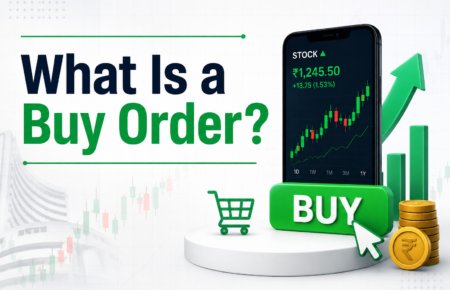
If you’re new to the stock market, you may have wondered: what is a buy order, and what actually happens after you click the Buy button? A buy order is an instruction you give your broker to...

If you’re new to the stock market, you may have wondered: what is a buy order, and what actually happens after you click the Buy button? A buy order is an instruction you give your broker to purchase shares on your behalf. When you open a broker app for the first time, clicking the buy button can feel confusing, especially if you’re unsure what happens next.
Table Of Content
In simple terms, a buy order is the instruction you give your broker to purchase a specific stock at a specified price or under specific conditions. Once you know what is a buy order and how it moves through the system, buying shares online stops feeling like guesswork.
What is a Buy Order in stock market?
Every buy order starts in your trading account and travels to the stock exchange through your broker. It lands in what’s called the order book, sitting there until it finds a seller willing to match on price and quantity. That matching moment is what traders mean by order execution. You can also learn more about how the NSE trading system handles orders and matching.
A buy order in the stock market isn’t a completed trade the instant you click confirm; it becomes one only after execution. Until that happens, you have placed a request, nothing more. You don’t own the shares yet.
Types of Buy Orders
Not all buy orders work the same way, and picking the right type matters more than beginners usually expect.
- Market Buy Order: You buy right away at whatever price the stock is at. It’s fast, but you don’t get to pick the exact price.
- Limit Buy Order: You set the highest price you’re willing to pay. The order only goes through if the stock price drops to that level or lower. You get to control the price, but it might take time, or it might never happen at all.
- Stop-Buy Order: You set a price above the current price. If the stock rises and hits that price, your order becomes a normal buy order right away, at whatever the market price is then.
- Stop-Limit Buy Order: This works like the stop-buy order above, but with one difference. Once the stock hits your set price, it doesn’t just buy at any price. Instead, it becomes a limit order, so you still control the final price you pay.
- Trailing Stop Buy Order: You set a price gap, either a percentage or a fixed amount, above the current stock price. As the price moves, this gap moves with it. If the price ever turns and comes back into that range, the order buys automatically.
How to Place a Buy Order Online
The whole process takes barely a minute once you get the hang of it. Here’s what you need to do:
- Pick the stock you want to buy
- Choose NSE or BSE
- Decide between delivery trading or intraday trading
- Enter how many shares you want
- Choose your order type
- Check the brokerage and other charges
- Hit confirm
A quick example makes this easier to picture. Say a stock called ABC Ltd is trading around ₹200. You place a limit buy order for 10 shares at ₹198. A seller agrees to sell at that price, your order goes through, and the shares show up in your demat account once the settlement process is done.
It also helps to know the difference between bid price and ask price. The bid is the price buyers are offering. The ask is the price sellers are asking for. The best price to buy a stock is usually somewhere close to where these two prices meet.
Conclusion
Once you understand what is a buy order and how execution really works, the stock market stops feeling like a black box. Order types, timing, and price all play their part, and getting comfortable with them makes buying shares online a far less intimidating step in your investing journey.