




What is Hedging in the Stock Market?
If you have bought insurance for your car or home, you know about hedging in the stock market, even if you didn’t call it that. Hedging is a way to protect your finances before bad events occur, not...


If you have bought insurance for your car or home, you know about hedging in the stock market, even if you didn’t call it that. Hedging is a way to protect your finances before bad events occur, not after. You are not trying to stop the accident. You are trying to make sure that if it does happen, it doesn’t wreck you financially. The same idea applies to investing.
Table Of Content
Markets go up and down, sometimes for reasons that have nothing to do with the company you invested in. Hedging is how investors build in a cushion for those moments.
What Is Hedging in the Stock Market
So what does this actually look like in the stock market? Let’s say you own a stock and you’re a little nervous about where it’s headed in the short term. You don’t have to sell everything and leave. You could take a position that opposes your current one. This means you would gain value if the stock drops. That’s hedging in the stock market. It’s not about avoiding risk altogether. That’s impossible if you want any return. It’s about keeping the downside from getting out of hand.
Go back to the insurance comparison for a second. You pay your premium every year, and most years, nothing happens. It can feel like money down the drain. But the one year your house floods, you’re glad you had it. Hedging works the same way. You give up a little bit of upside or pay a small cost, and in return, you’re not fully exposed if things go sideways.
What’s a Hedge Fund?
People mix these two up all the time, so let’s clear it up. A hedge fund isn’t the same thing as hedging. A hedge fund is an investment tool for wealthy or institutional investors. It uses various strategies to seek returns. These include leverage, short selling, and sometimes hedging techniques. The name stuck around from the early days when these funds were more focused on managing risk. These days, plenty of hedge funds are taking on a lot more risk than the name suggests.
Types of Hedges
There are a few standard tools people use to hedge, and they each work a bit differently.
- Forward Contract: This is a private agreement between two parties. They decide to buy or sell something at a set price on a future date. They tailor it for themselves, agree upon it directly, and do not trade it on any exchange. Forward contracts are one type of derivative contract. You can read more about derivatives in the stock market to understand how these financial instruments work.
- Futures Contract: Think of this as the more organized cousin of a forward. Futures work on a similar idea. Traders buy or sell at a set price later. However, futures standardize these deals, and they happen on an exchange. That makes them a lot easier to get in and out of.
- Money Markets: These are for short-term borrowing and lending. Transactions usually finish within a year. Treasury bills, commercial paper, and certificates of deposit are in this group. Companies often use these tools to manage cash flow. They also help hedge against short-term changes in interest rates or currencies.
Advantages of Hedging
There’s a reason so many investors and companies bother with hedging.
- It brings down risk, which matters a lot when markets get choppy.
- It protects positions you already hold from taking a hit.
- For businesses working internationally, budgeting and forecasting become easier.
- Costs and revenues are more predictable, which reduces stress.
- Choosing the right instruments can help you manage risk effectively and affordably.
Risks and Disadvantages of Hedging
That said, hedging in the stock market isn’t magic, and it isn’t free. Options, futures, and similar tools have premiums, fees, and margin requirements. These costs can add up quickly. Even with a hedge in place, you can still lose money, just less of it. There’s a downside, too: if the market moves in your favor, your hedge could reduce your gains. Sometimes, the hedge doesn’t perfectly match the underlying position. We call this basis risk. That mismatch can make the hedge less effective than planned.
Hedging Strategies
- Asset Allocation: Many people simply spread their money across different assets. This includes stocks, bonds, gold, cash, and anything else that works for them. Since these don’t all move the same way at the same time, it naturally smooths things out.
- Structure: Some investors take a careful approach. They mix debt instruments with derivatives. This helps them create a risk profile that suits their needs. It takes more work, but it allows for a lot more control.
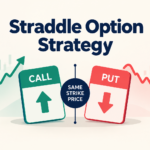
- Through Options: Options come up constantly in hedging conversations, and for good reason. Buying a put gives you the right to sell at a set price, so if the stock tanks, you’re covered. Calls can play a role too, especially if you’re hedging a short position against the price going up.
Conclusion
At the end of the day, hedging in the stock market is about managing risk, not making it disappear. It’s the same logic as insurance: you pay a small, known cost now so you’re not blindsided by a much bigger one later. Whether you use options, futures, forwards, or diversify your money, the idea stays the same. Hedging lets you manage risk in an unpredictable market. It can’t guarantee you’ll avoid losses, but it gives you more control.