



What is an Entry Price?
If you are new to trading, you’ve probably come across this term already. So what is an entry price? In simple words, it’s the price at which you buy a stock or enter a trade. It’s...

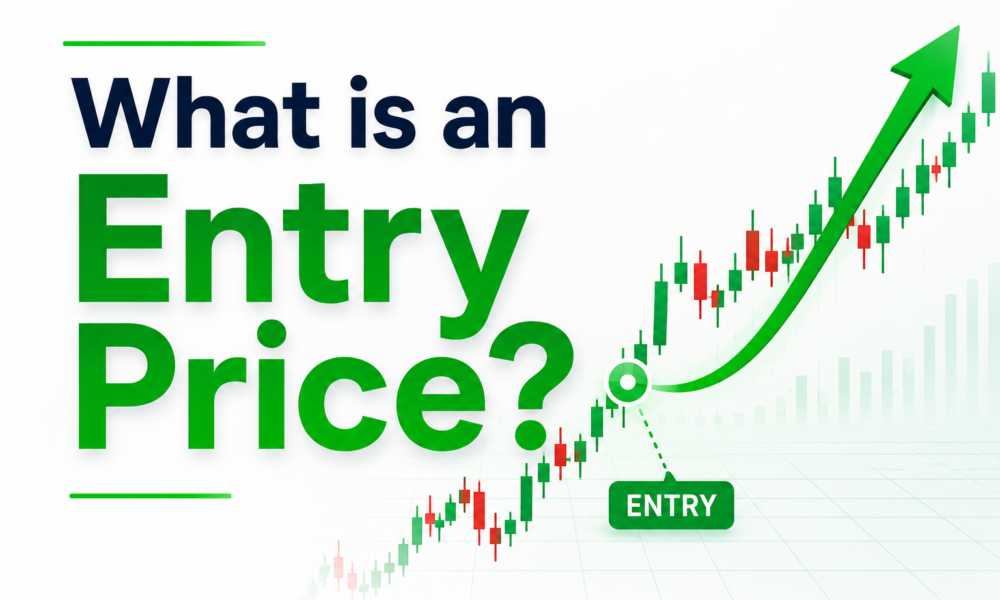
If you are new to trading, you’ve probably come across this term already. So what is an entry price? In simple words, it’s the price at which you buy a stock or enter a trade. It’s the starting point of your entire trading decision, and getting it right matters more than most beginners realise.
Table Of Content
What is an Entry Price in Stock Market?
The entry price meaning is straightforward once you strip away the jargon. It’s simply the buying price of a stock, the price at which your order gets executed.
Every trade you make has one. Whether you’re investing for the long term or trading for a quick move, your entry price becomes the reference point for everything that follows, including your profit or loss.
How Does Entry Price Work in the Stock Market?
When you place a buy order, the price at which it gets filled becomes your entry price in stock market terms. This could be a market order, which executes at the best available price, or a limit order, which executes only when the stock reaches your chosen price. The NSE trading system and order types explain how market, limit, and stop-loss orders are handled in the exchange’s order-driven system
Let’s say you are tracking a stock trading around ₹500. You believe it will move higher after a recent trend reversal, so you decide to buy at ₹502. That ₹502 becomes your entry price for trading.
Now, here’s something beginners often confuse: entry price and current market price aren’t always the same. The current market price keeps changing every second as buyers and sellers trade. Your entry price is determined when your order is executed.
Once you are in, your gains or losses are measured against that fixed number, not the fluctuating price outside.
Entry Price, Stop-Loss and Target Price
These three terms work together, and understanding how they work together sets a good trader apart from someone just guessing.
- Your entry price is where you get in. Your stop-loss is the price where you exit if the trade goes wrong, limiting your loss. Your target price is where you plan to book profit if the trade goes as expected.
- Imagine you buy a stock at ₹502 as your entry price. You set a stop-loss at ₹490, meaning you’ll exit if the price falls that low. You set a target price of ₹530, where you plan to sell and lock in gains.
- This entry price and stop-loss combination is the backbone of risk management in trading. Without a stop-loss, one bad trade can wipe out gains from several good ones. Without a clear target, you might exit too early or hold on too long out of greed.
How to Decide Entry Price for a Stock
Wondering how to decide an entry price without just guessing a number? Most experienced traders rely on a mix of chart patterns, support and resistance levels, and their own risk appetite.
A few practical points to keep in mind when deciding an entry price for a stock:
- Check support levels, prices where the stock has historically found buying interest
- Avoid entering right after a sharp price spike; wait for a slight pullback
- Match your entry point with your stop-loss so the risk stays small
- Consider overall market mood before entering a fresh position
- Never chase a stock just because it’s moving fast
A well-planned stock entry point isn’t about perfect timing. It’s about entering with a clear plan for what happens next, win or lose.
Final Takeaway
Understanding why entry price is important in trading comes down to one thing: control. A well-chosen entry price, paired with a sensible stop-loss and target price, keeps your risk defined and your decisions less emotional. It won’t guarantee profits, but it gives every trade a clear structure to follow.