




What Is a Stock Basket?
A stock basket is a group of individual stocks bundled together and treated as a single investment idea. Instead of picking one company and hoping it performs, an investor buys several shares at...

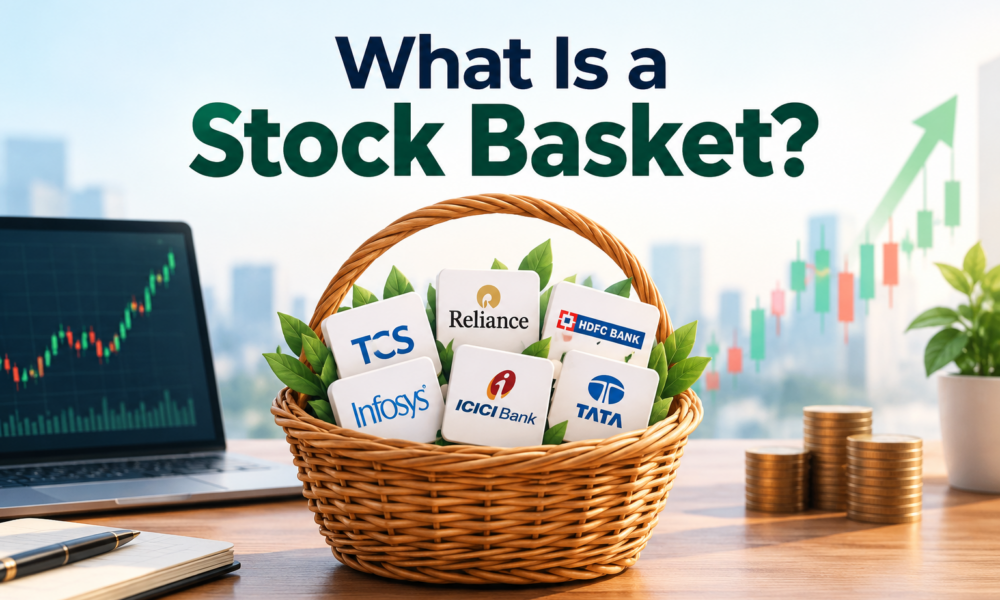
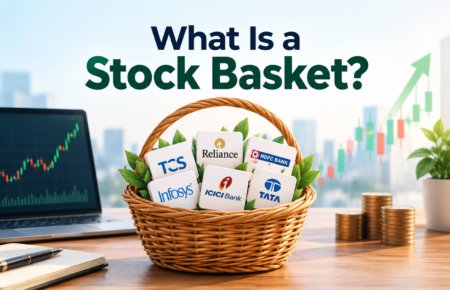
A stock basket is a group of individual stocks bundled together and treated as a single investment idea. Instead of picking one company and hoping it performs, an investor buys several shares at once, often built around a theme, sector, or strategy. If you have ever wondered what a stock basket is and whether it belongs in your portfolio, the short answer is that it sits somewhere between buying one stock and buying a fund.
Table Of Content
Stock Basket Meaning
The stock basket meaning is simple enough: a curated selection of shares, usually chosen to reflect a common thread. That thread might be an industry such as banking, a trend such as electric vehicles, or a style such as dividend-paying companies. Each stock carries its own weight, which is the share of your money assigned to it.
Some platforms let you buy the whole basket in one click. Others let you build a customized stock basket yourself, choosing the companies and the proportions.
How Does a Stock Basket Work?
Think of it as a shopping list turned into a single order. A provider or the investor selects the stocks, decides how much goes into each, and the total amount is split accordingly. You end up owning the underlying shares directly in your demat or brokerage account, so you can usually sell one holding without touching the others.
Prices move with the market, so the basket’s value rises and falls with its components. Many baskets are reviewed periodically, and stocks may be swapped out or reweighted to keep the theme intact. That rebalancing may involve brokerage fees or taxes, which vary by country.
Example
Suppose you like the idea of India’s growing technology sector. Instead of betting everything on one software company, you build a basket of five or six IT firms, splitting your money roughly equally. If one company reports weak earnings, the others may cushion the blow. If the whole sector struggles, though, the basket will struggle too. It also keeps the research manageable, since you follow one sector rather than dozens.
That example is illustrative only, not a recommendation to buy any particular stock.
Benefits of Investing in a Stock Basket
- Spread of risk: Investing in multiple stocks reduces dependence on any single company.
- Convenience: One decision replaces many separate purchases.
- Theme exposure: You can back an idea, like renewable energy, without researching every firm.
- Transparency: You see exactly which shares you own.
- Flexibility: Many baskets can be adjusted to suit your preferences.
Risks and Things to Consider
Is a stock basket diversified? Not automatically. A basket of ten banking stocks looks varied on paper, yet all ten can fall together when interest rates or regulations shift. True stock market diversification usually means spreading money across sectors, company sizes, and asset types.
Other risks worth weighing:
- Market risk: Share prices can fall, and returns are never guaranteed.
- Concentration: A small basket leans heavily on a few names.
- Costs: Transaction charges add up if you rebalance often.
- Overconfidence: A neat theme can feel safer than it really is.
Stock Basket vs. Mutual Fund
The two are easy to confuse. A mutual fund pools money from many investors, and a professional manager buys securities on everyone’s behalf. You own units of the fund, not the shares themselves. A stock basket, by contrast, gives you direct ownership of each stock. Fees also differ, since funds charge an expense ratio.
An ETF is different again: it trades on an exchange like a share but holds a collection of securities, often tracking an index. A diversified portfolio is broader than either, combining stocks, bonds, and other assets. A stock basket can be one piece of that larger picture, but it rarely is the whole thing.
Final Takeaway
A stock basket suits people who want more than a single stock but prefer control over a fund’s pooled structure. It can work well for theme-based investing or for learning how different companies behave together. Just remember that a basket is only as sturdy as the stocks inside it, so check the sector mix, understand the costs, and consider your own goals or a qualified adviser’s input before investing.
For additional investor-education information, the official SEBI Investor website provides resources covering securities-market investing, mutual funds, ETFs, diversification and investment risks.